Most people eat meat in practice, but humans are not designed as carnivores. “But I have canines!” So do other herbivores—and human canines resemble herbivore canines, not those of true carnivores or omnivores. We do not salivate at the sight of a cow in a pasture. We are slow, with flat molars, small mouths, and soft nails—ill-equipped to catch or kill prey without tools.
Dead animal flesh requires thorough cooking and plant seasonings to be palatable; bacteria that carnivores tolerate repulse us when we imagine eating raw carcass.
| Category | Carnivore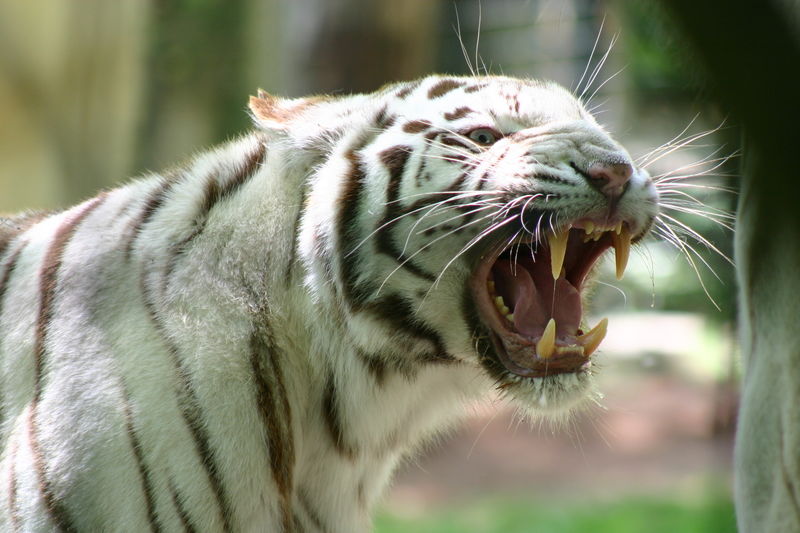 |
Omnivore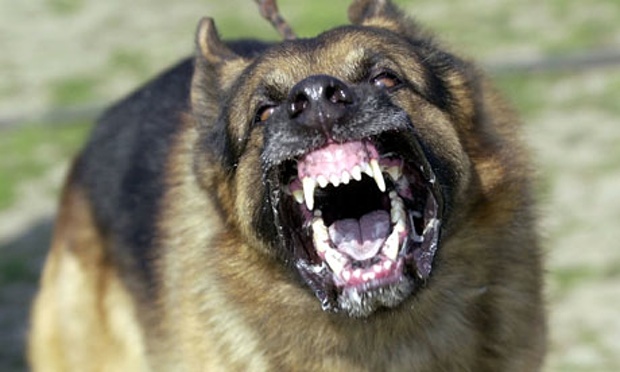 |
Herbivore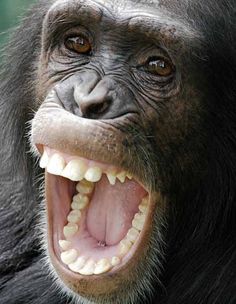 |
Humans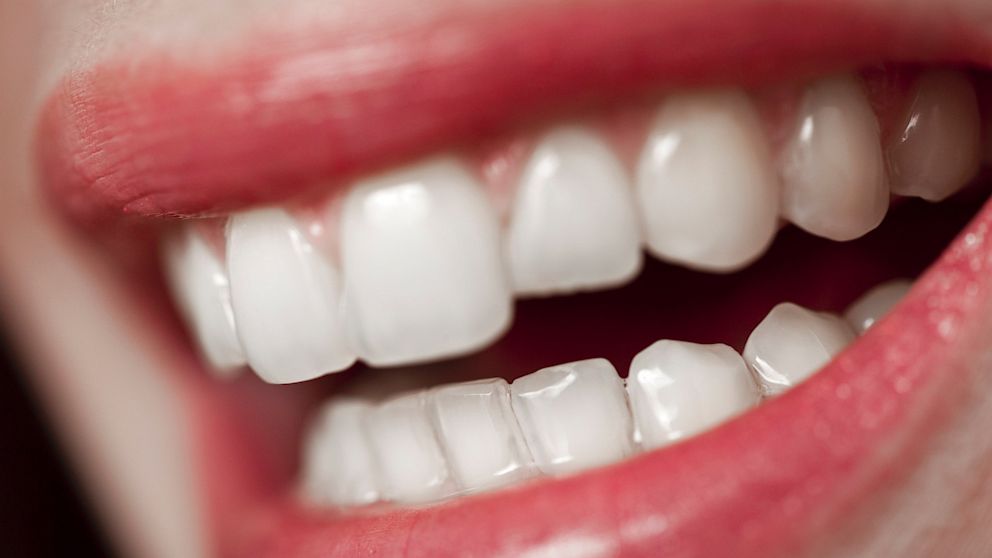 |
|---|---|---|---|---|
| Facial muscles | Reduced for wider mouth opening | Reduced for wider mouth opening | Well developed | Well developed |
| Jaw type | Non-expanded angle | Non-expanded angle | Expanded angle | Expanded angle |
| Jaw joint location | Same plane as molars | Same plane as molars | Above plane of molars | Above plane of molars |
| Jaw motion | Up/down shearing only | Up/down shearing only | Up/down, side to side, front/back | Up/down, side to side, front/back |
| Major jaw muscles | Temporalis | Temporalis | Masseter and pterygoids | Masseter and pterygoids |
| Mouth opening vs. head | Large | Large | Small | Small |
| Incisors | Short, pointed | Short, pointed | Broad, flattened | Broad, flattened |
| Canines | Long, sharp, curved | Long, sharp, curved | Dull/short or defensive | Dull and short |
| Molars | Sharp, jagged blades | Sharp blades / flattened | Flattened with cusps | Flattened with nodular cusps |
| Chewing | None; swallows whole | Swallows whole / simple crush | Extensive chewing | Extensive chewing |
| Saliva | No carb-digesting enzymes | No carb-digesting enzymes | Carb-digesting enzymes | Carb-digesting enzymes |
| Stomach type | Simple | Simple | Simple or multi-chamber | Simple |
| Stomach acidity (with food) | pH ≤ 1 | pH ≤ 1 | pH 4–5 | pH 4–5 |
| Stomach capacity | 60–70% of GI tract | 60–70% of GI tract | < 30% of GI tract | 21–27% of GI tract |
| Small intestine length | 3–6× body length | 4–6× body length | 10–12×+ body length | 10–11× body length |
| Colon | Short, simple, smooth | Short, simple, smooth | Long, complex, sacculated | Long, sacculated |
| Liver (vitamin A) | Detoxifies vitamin A | Detoxifies vitamin A | Cannot detoxify vitamin A | Cannot detoxify vitamin A |
| Vitamin C | Produces vitamin C | Produces vitamin C | Must get from plants | Must get from plants |
| Kidney | Extremely concentrated urine | Extremely concentrated urine | Moderately concentrated | Moderately concentrated |
| Nails | Sharp claws | Sharp claws | Hooves / blunt nails | Flattened nails |
| Cooling | Pant | Mostly pant | Sweat | Sweat |
| Sleep | 12–20 hours/day | 12–20 hours/day | 3–12 hours/day | 6–8 hours/day |
| Births | Litters common | Litters common | Usually single offspring | Usually single (twins rare) |
- Only herbivores have an appendix—humans have an appendix.
- No meat-eating animal has a seminal vesicle—humans do.
Studies show carnivores and omnivores fed high-fat, high-cholesterol diets do not develop atherosclerosis, while herbivores fed animal fat and cholesterol do. Humans develop atherosclerosis—therefore, biologically, we are herbivores. Cardiologist William C. Roberts, MD, wrote extensively on this: Wikipedia, article (PDF).